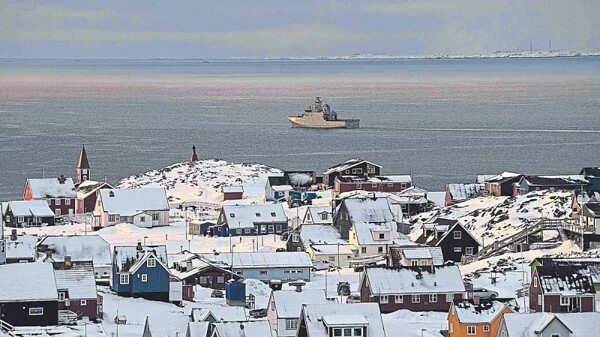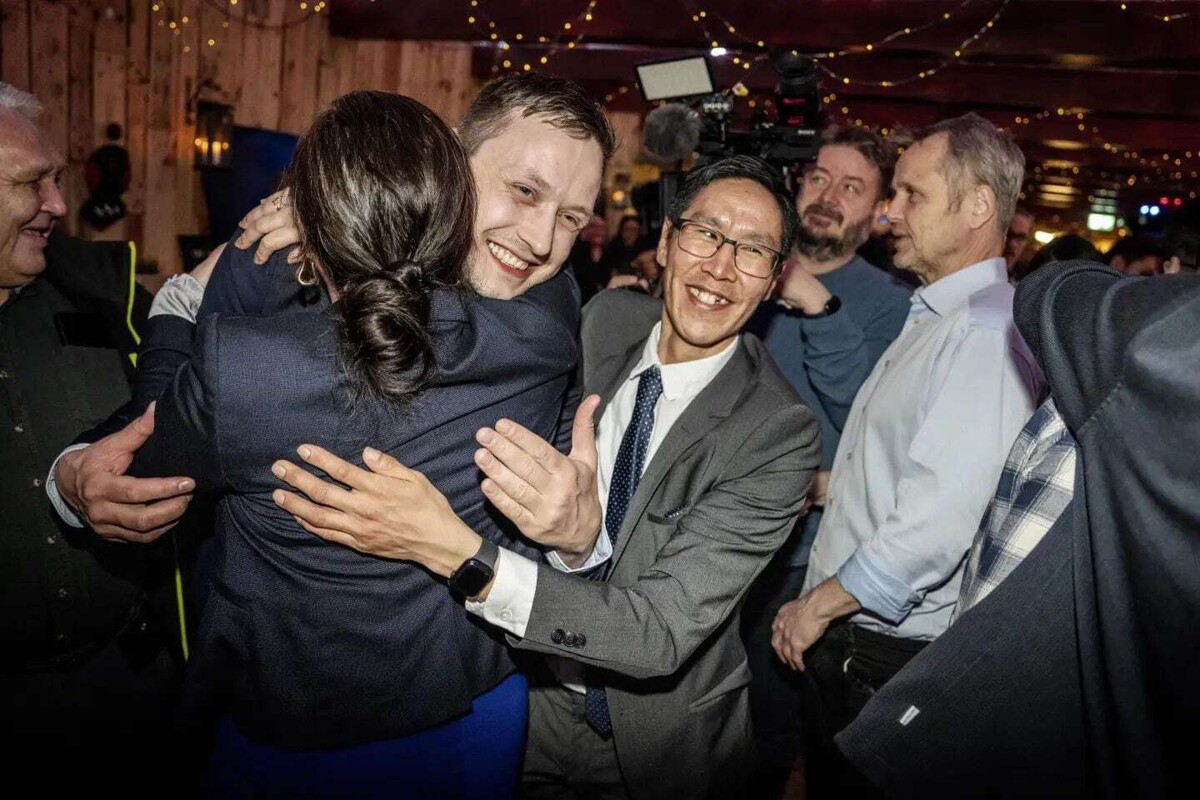
In the 2021 elections in Greenland, the conservative-leaning Demokraatit Party surprisingly obtained the majority of votes. It received nearly 30 percent, a significant increase from the 9 percent obtained in the previous elections. This surprising victory over the parties that have governed the territory for years indicates that many Greenlanders are concerned about social issues such as healthcare, education, cultural heritage, and other social policies.
According to the leader of Demokraatit, Jens-Frederik Nielsen, this result is historic in Greenland's politics. Nielsen expressed his surprise at the advancement of his party and highlighted the importance of this achievement. In his statements to KNR TV, Nielsen mentioned that his party will approach other parties to negotiate Greenland's political future.
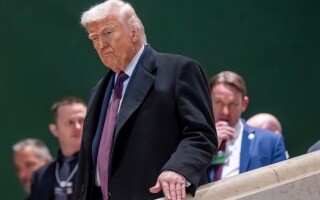
The Demokraatit Party will face the task of forming a government in a context where the President of the United States, Donald Trump, has expressed interest in claiming control of Greenland. Despite this external pressure, Nielsen emphasized the importance of unity in Greenland at this crucial moment.
The approach toward Greenland's independence is also a prominent issue in this election. Four of the five main parties seek independence, with differences regarding the timing and methods to achieve it. Naleraq is more aggressive in this aspect, while Demokraatit advocates for a more moderate change.
The elections have marked a joyful day and a celebration of democracy, according to Denmark's Prime Minister, Mette Frederiksen. The Inuit Ataqatigiit party, which previously dominated Greenlandic politics, suffered a decrease in support, while Demokraatit achieved a surprising victory.
Thus, the political landscape in Greenland is influenced by an unexpected victory of the Demokraatit Party and a variety of stances regarding Denmark's independence, at a time when the island is facing external and internal pressures that will mark its future path.