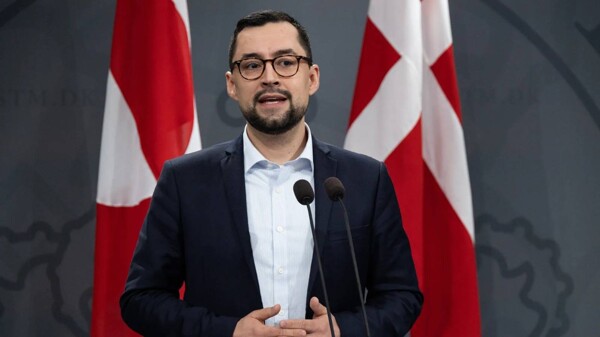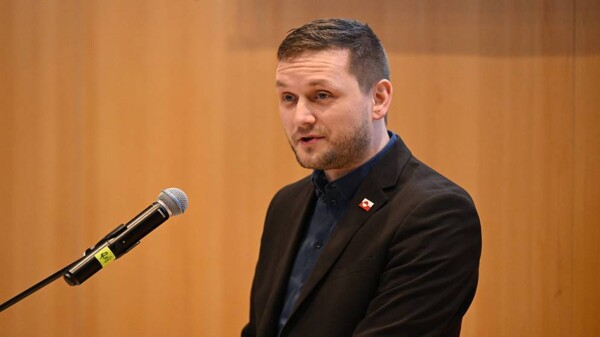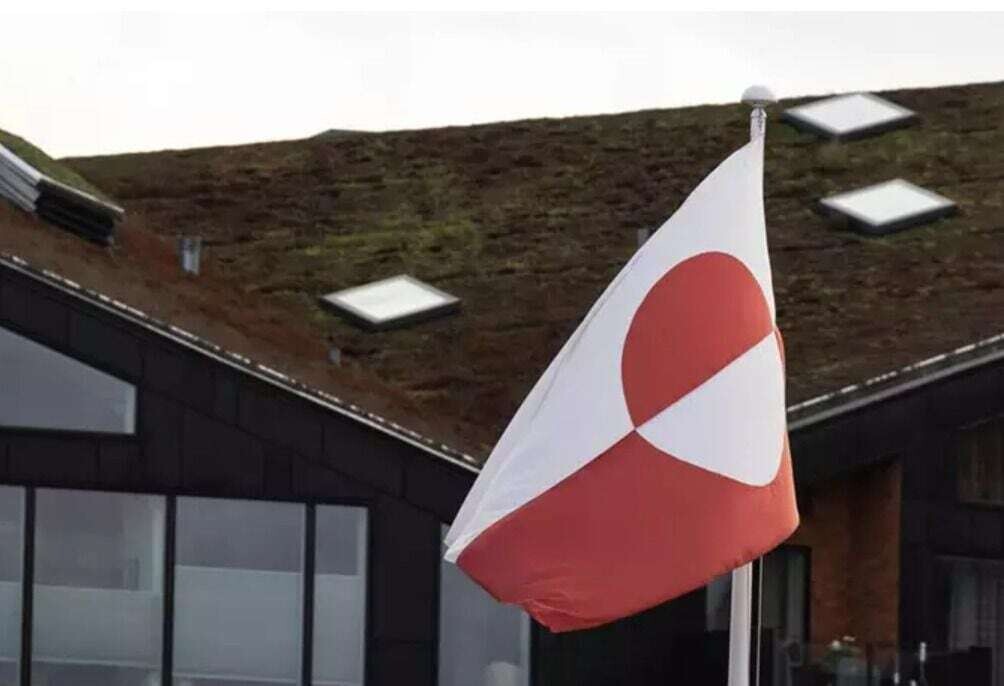
One of the two governing parties in Greenland expressed its intention to hold a referendum on independence from Denmark during the next parliamentary term. This party, Siumut, which represents the social-democratic ideology and holds approximately one-third of the seats in the Greenland Parliament, plans to promote the idea of the plebiscite as part of its campaign for the general elections scheduled for March 11. Its leader, Erik Jensen, stated this in an interview broadcast by DR.
The idea of Greenland's independence has gained global relevance after U.S. President Donald Trump expressed interest in acquiring or taking control of the world's largest island, inhabited by around 57,000 people. However, recent polls indicate that the majority of the Greenlandic population opposes joining the United States.
The interest in this Arctic region is due to various reasons, including its strategic location amid issues such as climate change, resource scarcity, geopolitical tensions, and new trade opportunities. According to Geoff Dabelko, a professor of security and the environment at Ohio University, Greenland has become a key point in geopolitical and economic competition, primarily due to the effects of climate change.
In this context, it is essential to understand the motivations that led Trump to express interest in Greenland. The island hosts valuable mineral resources, such as rare earth elements, uranium, oil, and natural gas, in addition to being a strategic point for global geopolitics. In a scenario where Arctic temperatures are rising four times faster than other regions of the planet, Greenland becomes a crucial asset for several powers.
In addition to its natural resources, Greenland also hosts a significant U.S. military base. Despite the inclination of most island residents to expand their independence from Denmark, political parties agree that, for the moment, Greenland does not have the economic means to sustain itself without subsidies from Copenhagen.
Both Siumut and the other governing party, Inuit Ataqatigiit, led by Prime Minister Mute B. Egede, support holding a vote on independence, although no deadline has been set for this. This discussion on Greenland's sovereignty is expected to continue evolving in the coming years, in a scenario where global powers seek to secure a relevant role in the Arctic region.